Blog Series
Engineering Life-Critical Devices
Delivering safety, reliability and compliance in modern medical devices
.png)
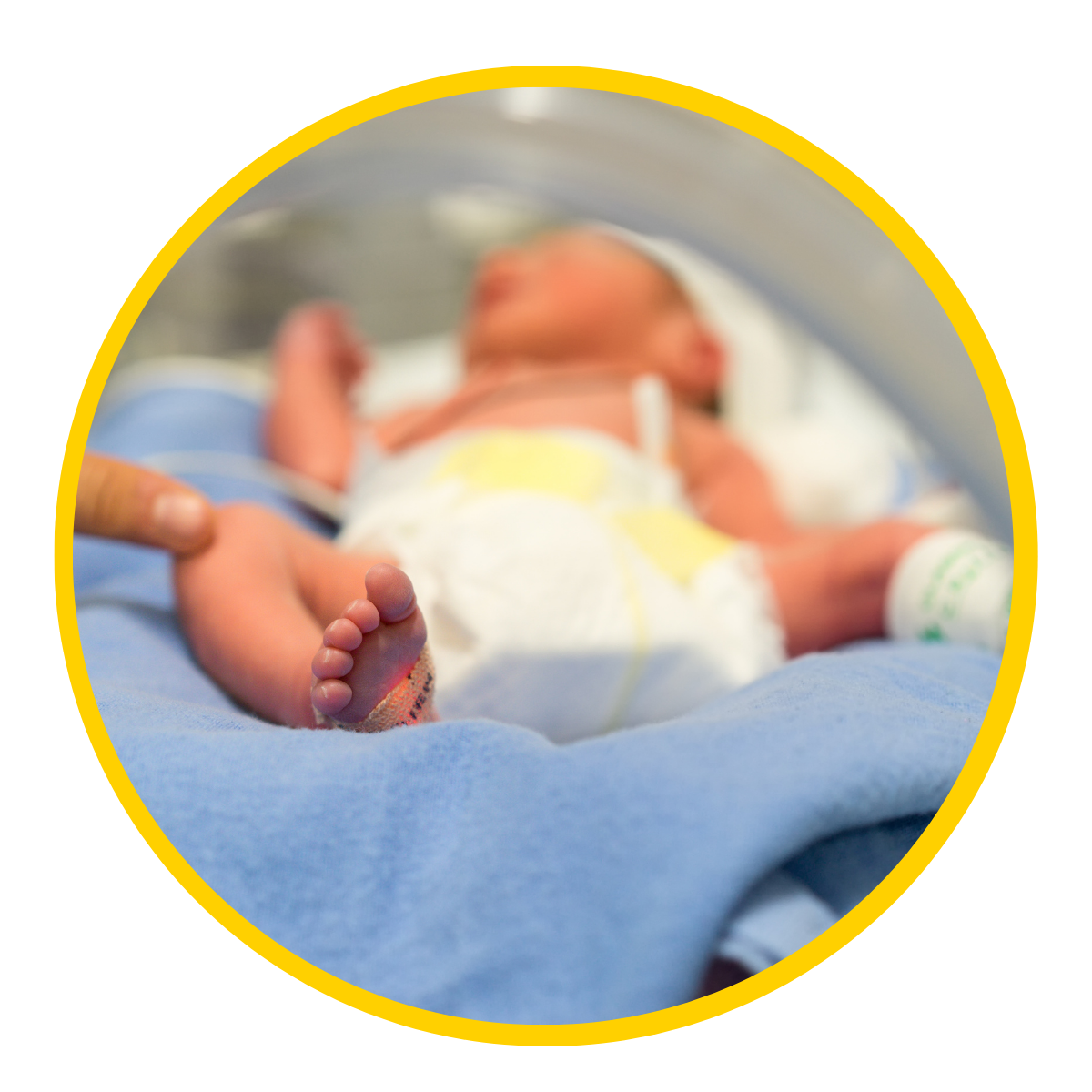
S3 Connected Health partnered with a client to develop a hospital-based respiratory therapy device that delivers inhaled nitric oxide (NO) to critically ill patients, including premature infants in neonatal intensive care. Integrated with ventilators, the system precisely controls gas delivery, continuously monitors dosage, and automatically detects unsafe conditions. Given the potentially severe consequences of therapy interruption, the device was engineered with multiple layers of redundancy, fault detection, backup power and automated failover mechanisms. We also developed extensive automated testing, human factors evaluations and compatibility testing across multiple ventilator platforms, ensuring reliable performance, safe operation and regulatory confidence in demanding clinical environments.

S3 Connected Health partnered with a medtech client to redevelop a wearable insulin delivery system designed for continuous use in home environments. The system combines a handheld controller, two wearable pumps, and supporting consumables to deliver safe, uninterrupted therapy over multi-day treatment cycles. As a safety-critical device, key challenges included ensuring dosing accuracy, reliable wireless communication, robust fault detection, effective battery management, and seamless integration with continuous glucose monitoring and automated dosing systems. To support safe operation, a dual-pump architecture, enhanced occlusion detection, intelligent power management, optimized Bluetooth connectivity, and over-the-air updates were all implemented, helping ensure reliable, user-friendly insulin delivery in real-world conditions.